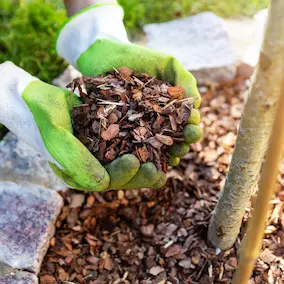
Pine bark extract is the most researched joint ingredient in JointVive. This page focuses on what pine bark studies actually show—and why those results cannot automatically be transferred to a different multi-ingredient liquid.
What the Research Landscape Looks Like
Most human studies use a branded, standardized French maritime pine bark extract (Pycnogenol), typically 100–150 mg/day in tablets, rich in procyanidins with antioxidant and anti-inflammatory activity in laboratory work.
Osteoarthritis Trials
Several small randomized trials in knee osteoarthritis reported improvements in pain and function scores compared with placebo over about three months. They were small, mostly from a limited group of investigators, and often linked to the extract’s manufacturer.
What the Cochrane Review Concluded
A 2020 Cochrane review of pine bark extract across chronic disorders, including osteoarthritis, judged the evidence to be of low or very low certainty because of small samples, risk of bias and inconsistent reporting. It could not draw firm conclusions about benefit.
Why Dose and Form Matter
Trials used a specific standardized extract at a defined dose. JointVive does not state which pine bark extract it uses or how much each serving delivers.
Safety
Pine bark extract is generally well tolerated in trials, with occasional stomach upset, dizziness or headache. It may affect blood sugar and immune function, so people on diabetes or immunosuppressive medicines should check with a clinician.
What Pine Bark Evidence Means for JointVive
Pine bark gives JointVive a modest, low-certainty ingredient-level rationale for joint comfort. It does not establish that the complete formula, at an undisclosed dose, reduces joint pain.
Sources & References
We prioritize primary product information, regulatory sources, peer-reviewed research and recognized clinical guidance. Seller claims are not treated as independent clinical evidence.
- Cochrane review: Pine bark (Pinus spp.) extract for treating chronic disorders, 2020
- 2019 American College of Rheumatology/Arthritis Foundation guideline: osteoarthritis of the hand, hip and knee
Related Research
Editorial owner: JointVive Reviews Editorial Team · Last reviewed: November 13, 2026